
← Species Repository
Arizona Blonde Tarantula
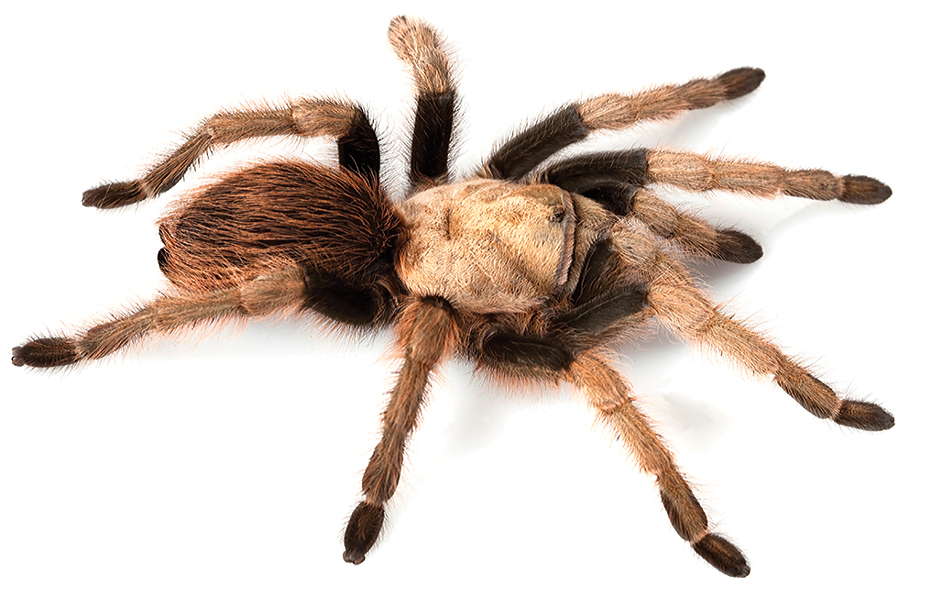
Photo: Chris A. Hamilton, Brent E. Hendrixson, Jason E. Bond, CC BY 4.0
Spider
Beginner
Aphonopelma chalcodes
Lifespan
F 20-30 years, M 5-10 years
Adult size
DLS 10-13 cm
Temperament
Calm and docile, may flick hairs
Temperature
18–28°C
Humidity
40–65%
Vivarium
40 x 30 x 30 cm (terrestrial adult)
Wikipedia →
A desert tarantula from the south-western USA, mainly Arizona, where it lives in deep burrows dug under stones or taken over from rodents. Females are a uniform tan with a pale, golden-haired carapace, while mature males have black legs, a copper carapace and a reddish abdomen. It is calm, hardy and famously long-lived, but grows very slowly and can flick urticating hairs.
Care information is provided for educational purposes only and does not replace professional veterinary advice.
🔥 Heating
Room temperature of about 20-26°C is fine in most UK homes, and as a desert species it copes with cooler nights. If supplementary heat is needed, use a heat mat on the side of the enclosure on a thermostat, never underneath. No basking surface is needed.
💡 Lighting
No UVB or special lighting is needed. A normal room day and night cycle is enough, and keep the enclosure out of direct sunlight, which can overheat it quickly.
🪨 Substrate
Coco fibre or topsoil at least 10-12 cm deep so it can dig its own burrow. Keep it mostly dry, moistening a lower corner occasionally rather than wetting the whole enclosure.
🍽 Feeding
Feed slings small crickets or roach nymphs twice a week, juveniles every 7-10 days and adults a few large crickets or a roach every 2-3 weeks. Adults often fast for weeks or months, especially in cooler periods or premoult, so remove uneaten prey within 24 hours and wait about a week after a moult before feeding.
💧 Water
Provide a shallow water dish at all times. Occasionally overflow it into one corner, but do not mist or keep the enclosure humid.
🏠 Enrichment
Give a half cork bark round as a hide with a burrow start beneath it. Little else is needed, and avoid tall set-ups that allow falls.
🩺 Health Considerations
Damp, stuffy conditions cause problems for this desert species, so keep it dry and well ventilated with a water dish. Long fasts are normal if the abdomen stays plump, so watch instead for a shrunken abdomen (dehydration) and for falls in tall enclosures.
🤲 Handling
It is usually calm, but hands-off is still best because a fall can kill it. It flicks urticating hairs that irritate skin and can injure eyes, so keep your face away and wash your hands after maintenance. The venom is medically insignificant, with bites compared to a bee sting, though a bite would still hurt.
⚖️ Legal Restrictions
No licence needed in the UK. It is not on the Dangerous Wild Animals Act 1976 schedule (as modified in 2007), not CITES-listed, not in the Wildlife Trade Regulations annexes and not on the invasive species lists (Aphonopelma pallidum, a different species, is CITES Appendix II). It is less often available in the UK than many tarantulas, so buy captive-bred stock from a reputable breeder where possible.
📋 Additional Notes
Very slow-growing: males take about 5-8 years to mature and usually die within a year of maturing, while females may take 8-12 years. Sex from a moulted skin, or by the mature male's tibial hooks, enlarged palps and dark colouring. Also sold as the Desert Blonde, and Aphonopelma apacheum, A. minchi, A. rothi, A. schmidti and A. stahnkei were made synonyms by Hamilton, Hendrixson and Bond (2016).