
← Species Repository
Common Boa
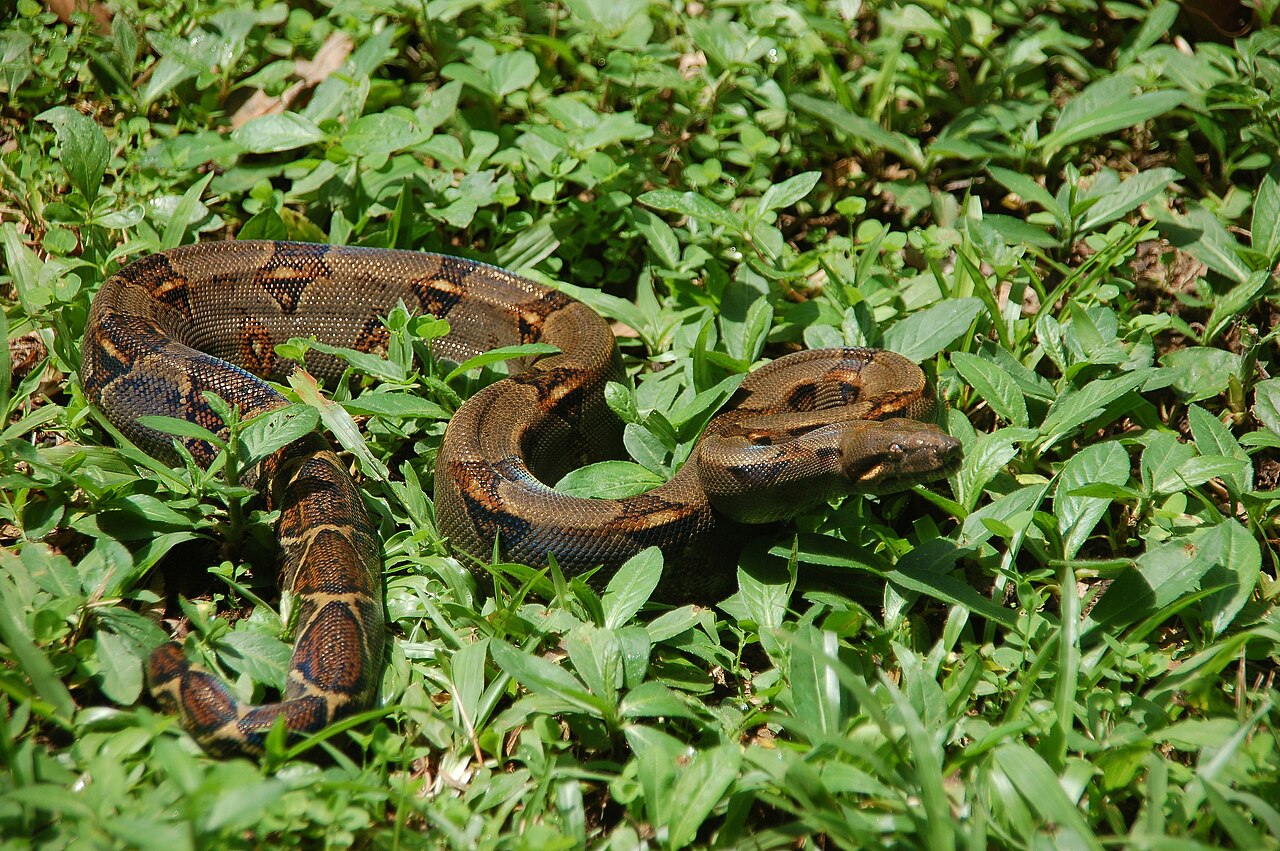
Photo: Matthias Bethke, CC BY-SA 4.0
Snake
Intermediate
Boa imperator
Lifespan
20-30+ years
Adult size
150-250 cm (females larger)
Temperament
Calm and placid once settled, but very strong
Temperature
20–32°C
Humidity
55–75%
Vivarium
180 x 90 x 90 cm (adult); taller is better
Wikipedia →
Ranges from Mexico through Central America to north-western South America, in habitats from rainforest to dry scrub. A heavy-bodied boa with dark saddles on a tan or grey background that turn reddish towards the tail, bred in many morphs. Keepers value its calm, intelligent nature, but females can reach 2.5 m and are very powerful, so it needs a large vivarium and some experience. In the hobby it is often called Boa constrictor imperator or 'BCI'.
Care information is provided for educational purposes only and does not replace professional veterinary advice.
🔥 Heating
Use guarded overhead halogen lamps or a radiant panel at one end on a thermostat; heat mats should not be the main heat source. Aim for a basking air temperature of 30-32 °C (surface a few degrees warmer), a cool end of 24-26 °C and nights no lower than 20 °C.
💡 Lighting
A 12-hour day and night cycle. UVB is beneficial: a low-output T5 tube over part of the vivarium giving a UVI of about 2-3 where the snake basks.
🪨 Substrate
A humidity-holding substrate such as a topsoil and coir mix or coconut husk chips, about 5-10 cm deep, spot-cleaned daily. Avoid pine and cedar.
🍽 Feeding
Frozen-thawed rodents (rats and later small rabbits) weighing no more than about 10% of the snake and no wider than its widest point. Feed hatchlings every 10-12 days, slow to every 2-3 weeks at about 2 years and every 4-8 weeks for adults over 4 years. Boas become obese easily, so keep them lean.
💧 Water
A large, heavy bowl the snake can soak in, refreshed daily and disinfected when soiled. Mist as needed to keep humidity at 55-75%, raising it to 75-85% before a shed, and let the substrate dry between mistings.
🏠 Enrichment
Large hides at both ends, sturdy, securely fixed branches (young boas climb a lot), cork bark and foliage. Giving more space than the minimum and changing the layout helps an active adult.
🩺 Health Considerations
Watch for obesity, respiratory infections, mites, stuck sheds and regurgitation after oversized meals. Inclusion body disease (a reptarenavirus) is a serious risk: boas can carry it for life without signs, so quarantine new animals for 3-6 months and ask a vet about testing.
🤲 Handling
Usually tolerant and calm, though neonates can be nippy. Support the whole body, never lift by the tail, and have a second person present when handling large adults. Non-venomous, but a bite from an adult is painful.
⚖️ Legal Restrictions
No Dangerous Wild Animals licence needed in the UK. It is CITES Appendix II (UK Annex B), listed under Boa constrictor: keep proof of captive-bred origin. Only the Argentine boa (B. c. occidentalis) is Appendix I and needs an Article 10 certificate to sell.
📋 Additional Notes
Females grow much larger and heavier than males; sex by probing. Popular morphs include hypo, anerythristic, albino, motley, jungle, sunglow and ghost, and some island localities such as Hog Island stay smaller. True red-tailed boas (Boa constrictor constrictor) are a separate species with similar care; Pacific Mexican animals have been split as Boa sigma.